
Date & time
Thu, Oct 8, 2026 from 10:00 AM to 11:30 AM. (Europe/Stockholm)

Sessions:
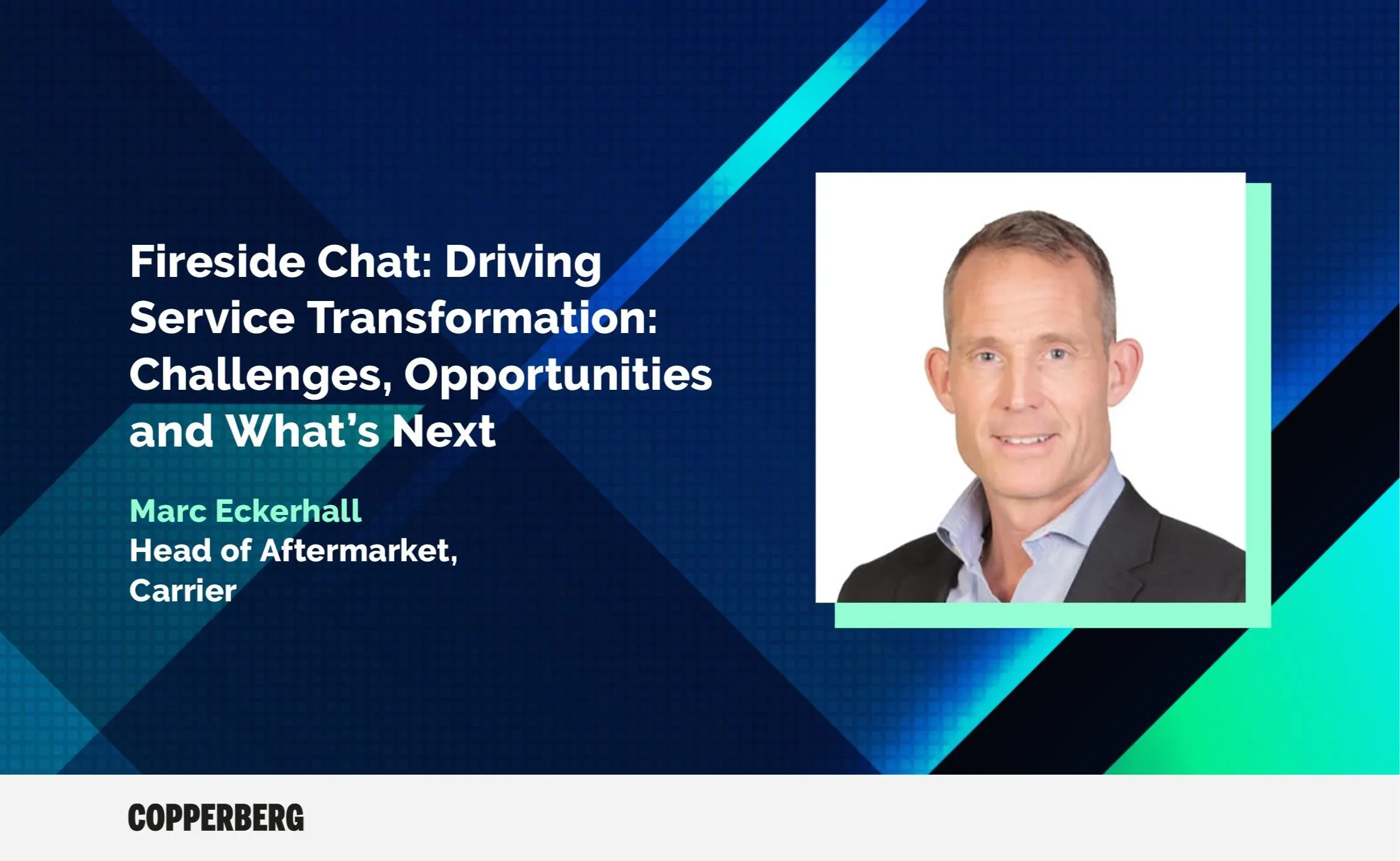
Fireside Chat: Driving Service Transformation: Challenges, Opportunities and What’s Next
with Marc Eckerhall, Head of Aftermarket, Carrier.
Field service is shifting fast — from reactive support to a key engine of customer and business value. This discussion explores what is really driving transformation today: changing customer expectations, workforce pressures, AI’s impact on the frontline, and the growing need to deliver more predictable service outcomes.
We’ll look at what’s working, where organizations are still getting stuck, and what leaders need to prioritize to move from individual improvement initiatives towards a more resilient and scalable service model. The conversation will also look ahead at the trends and opportunities most likely to reshape field service over the next two to three years.
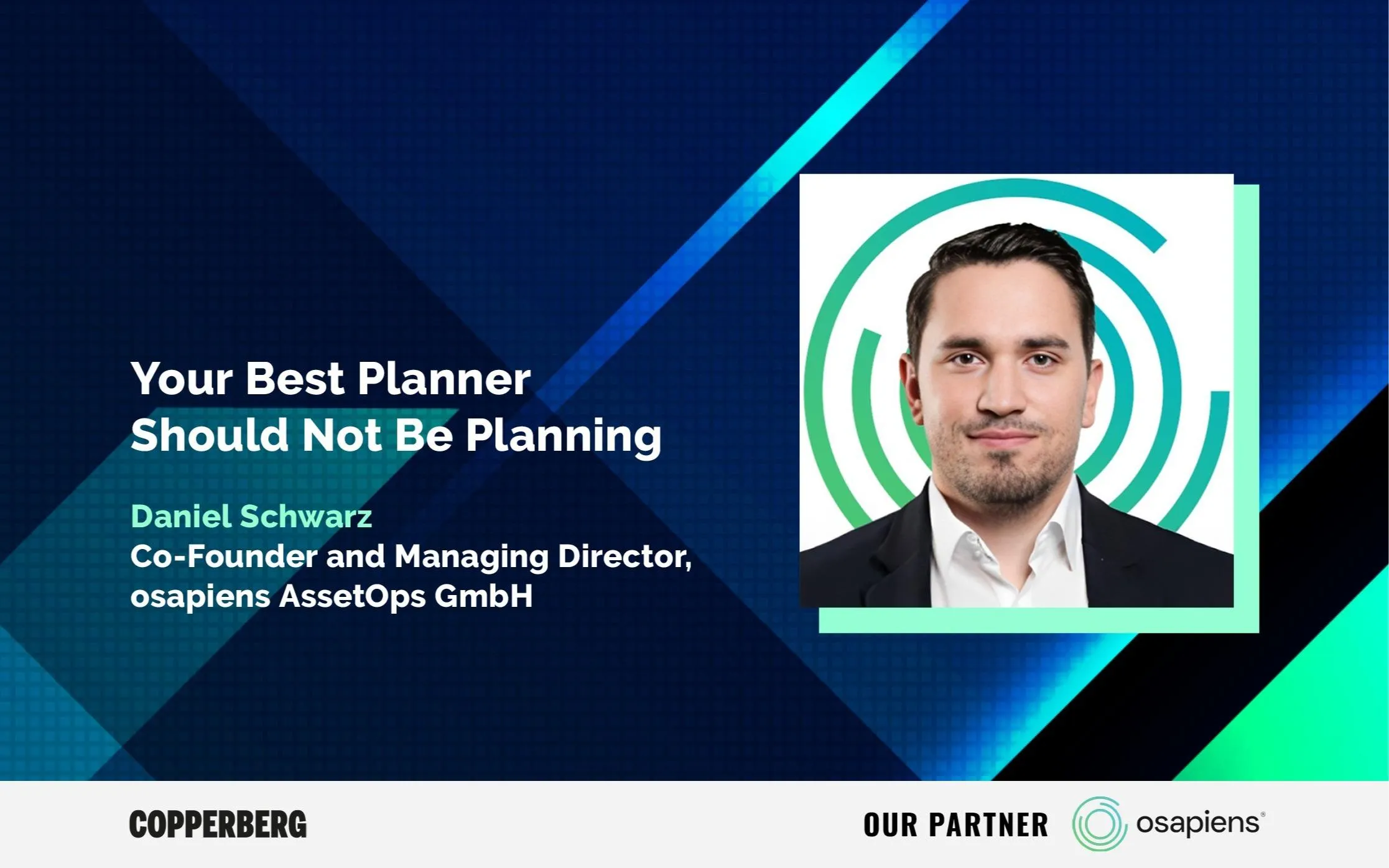
Your Best Planner Should Not Be Planning
Keynote presentation by Daniel Schwarz, Co-Founder and Managing Director, osapiens AssetOps GmbH.
Field service organizations face a difficult equation: the installed base is growing, customer expectations are rising, and experienced technicians are becoming harder to replace. Yet too much capacity is still lost to coordination, information search and plans that break during the day.
Most OEMs have invested in digital planning, mobile applications and route optimization. But the operation often still depends on a few people who know which technician to send, which customer cannot wait and where the right part is.
Your best planner holds the service operation together in their head. That makes them indispensable. It also makes them the bottleneck.
This session explores how Co-Pilots and AI agents can support a more autonomous service operation, from request triage and planning to technician support and follow-up actions. The key question is no longer how to build a better schedule, but how much routine coordination should remain a human task at all?
Why attend
Understand what is driving field service transformation and where organizations are focusing next; learn how AI and automation can reduce coordination and improve service execution; gain insight into building more predictable, scalable and resilient field operations; discover practical approaches to improving productivity while strengthening customer and business value.
Join this 1.5 hour broadcast by booking your virtual ticket below:
Join the event!
See all the content and easy-to-use features by logging in or registering!