CO₂NNECT 2026
About CO₂NNECT:
CO₂NNECT is a flagship convening of the Great Plains Institute (GPI) that brings together leaders across technology, energy, and policy to advance pragmatic, market-based solutions for economy-wide decarbonization. Since 2018, CO₂NNECT has created trusted spaces where decision makers collaborate across sectors to accelerate clean, firm power and carbon management solutions that reduce emissions while strengthening reliability, affordability, and economic opportunity.
Each event explores the latest and most pressing topics shaping the clean energy economy through a regional lens—connecting technology developers, regulators, utilities, investors, nonprofit organizations, and labor and community partners to align priorities and advance near-term project deployment.
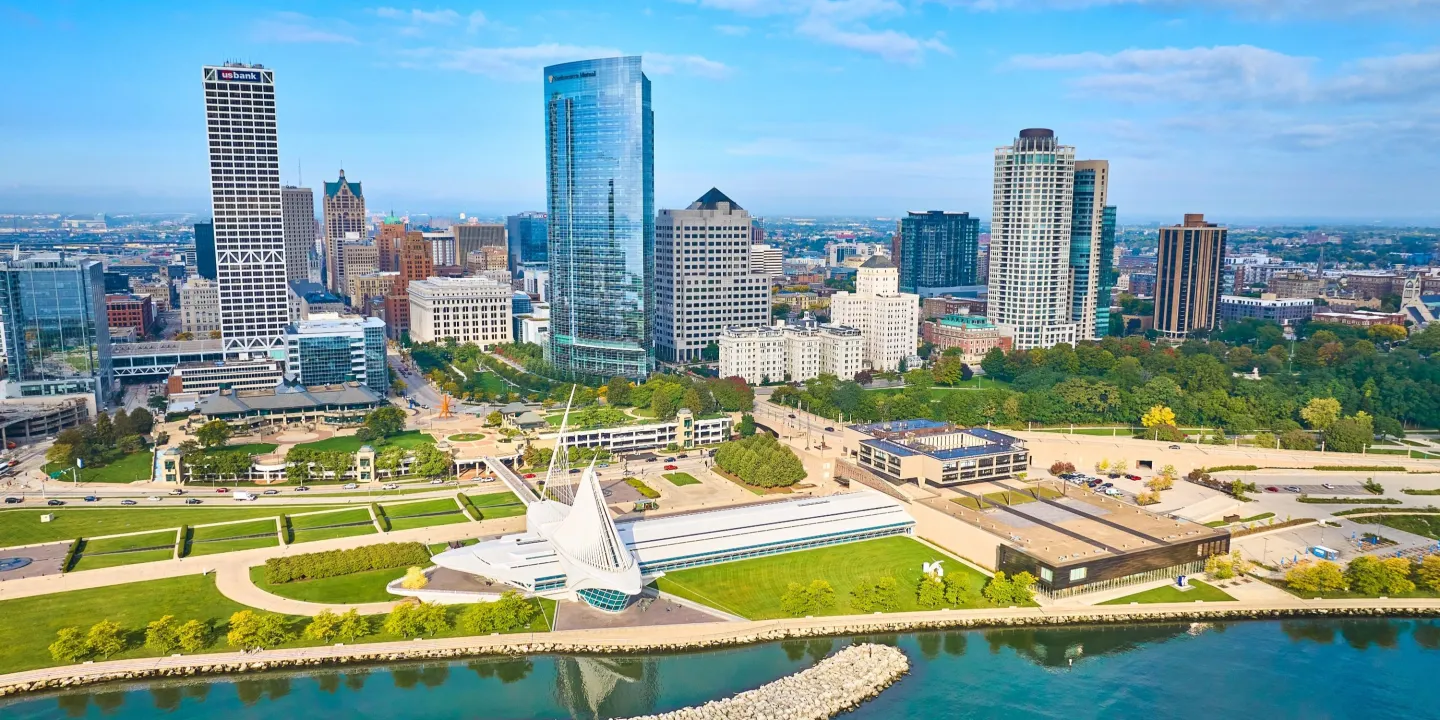
Following the success of CO₂NNECT 2025 in Austin, Texas, the 2026 convening will turn to the Midwest under the theme:
“Building Clean-Firm Power Markets for Data-Driven Growth."
As electricity demand surges—driven by AI, data centers, electrification, and industrial expansion—low-carbon, dispatchable power is essential. CO₂NNECT 2026 will explore how market design, policy tools, and cross-sector partnerships can enable scalable solutions that deliver reliable, affordable, low-carbon power for a rapidly growing, data-driven economy.
Here’s what you can expect:
At CO₂NNECT 2026, participants can expect interactive discussions and opportunities to engage in the following topics:
- Clean-firm power for a data-driven future: Explore how geothermal, natural gas with carbon capture and storage (CCS), storage-paired resources, and nuclear can meet rising digital and industrial loads while reducing emissions.
- Energy Attribute Certificates (EACs): Assess how EACs and related market instruments can incentivize clean-firm generation and provide transparent pathways for corporate buyers, including data centers, seeking verifiable decarbonization.
- Affordability and reliability in transition: Discuss how utilities, regulators, and investors can scale clean-firm capacity while maintaining grid reliability and protecting ratepayers.
- Data centers and load growth: Examine both the opportunities and infrastructure challenges associated with rapid load growth. Identify policies that align large new loads with clean, firm generation and regional decarbonization goals.