
MASSIMAGO
Information
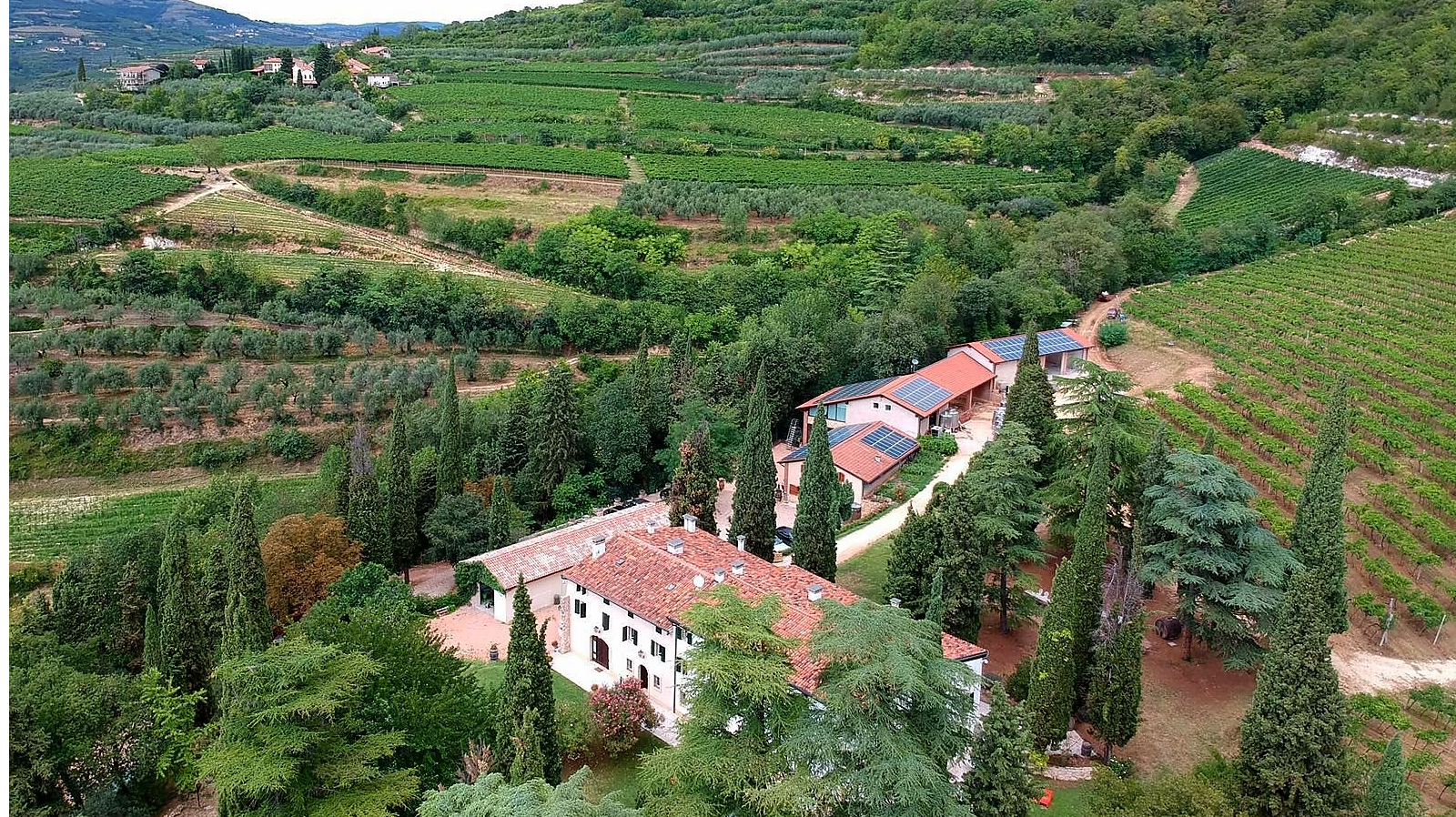
Massimago is a single estate family winery in Valpolicella (Mezzane di Sotto – Verona).
The total estate is 33hectares (80 acres). The total hectares of the estate include vineyards, olive trees, and woods.
Founded in 1883, Massimago estate dwelles in the beautiful hilly territory of Mezzane valley (commune of Mezzane di Sotto – easter Valpolicella). Massimago brand comes from the name of the hill and its Latin historical name “Maximum Agium” (It. Maximum pleasure).
The estate has a total of 13 hectares (32 acres) dedicated to the main native varieties of the region: Corvina, Corvinone, Rondinella. Massimago is an organic certified producer since 2011. All wines are certified organic since the 2014 vintage.
The main composition of Massimago soil is limestone, with a higher content of clay and marl in the lower part of the estate. The elevation of the estate vineyards is included between 100 to 350 meters (on sea level), and the exposition of the estate is south-west.
Massimago is today a young and dynamic company, managed by Camilla Rossi-Chauvenet represents the fourth generation of the family who founded the estate.
Focused on fully sustainable and organic growing, Massimago condensed tradition and modernity by using the native Veronese varieties only. The drying process for the production of its main wines: Amarone and Valpolicella Superiore, is made in a beautiful zero-impact drying barn (It. Fruttaio) located in an elevated area of the estate, in order to use the natural wind draught which provides a gentle and soft drying of the grapes.
Massimago produces wines with a well defined aromatic profile: medium-high deep ruby red color, intense aromas of sweet and fresh spices (pepper, cloves, cinnamon, nutmeg), intense herbal notes (rosemary, sage, thyme), red cherries. The palate is complex and potent, with a good balance between alcohol, tannins, and acidity. The palate is rich but dynamic with intense notes of red berries and dry long finishing. Massimago wines are well defined for their acidity and drinkability, with an enhanced freshness and mineral complexity from the salinity of the limestone soil. That gives the wines also wider options for food pairings.